
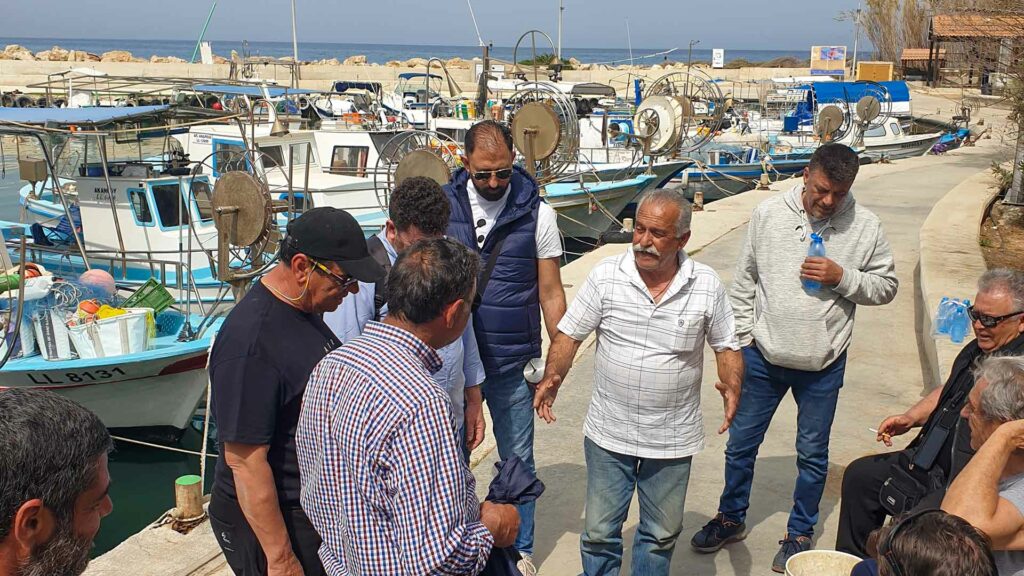

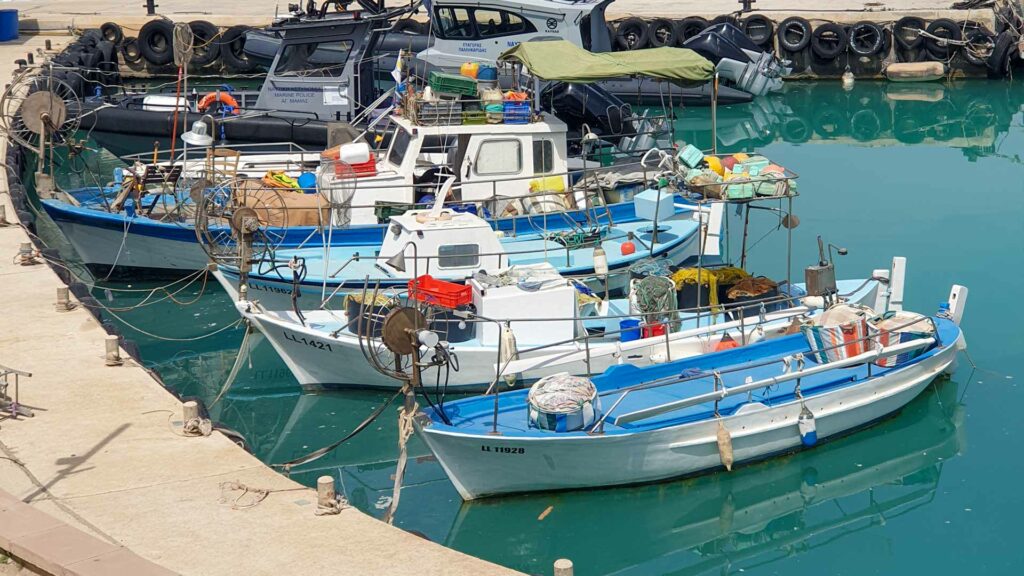




Small-scale fishers are pillars of the culture, the economy and the social life in European coastal cities, and they are also a valuable source of ecological knowledge.
Their economic, social and environmental advantages compared to industrial fisheries are indisputable. Compared to industrial fisheries, for the same level of catch, small-scale fishers generate less CO2 emissions, creates two to three times more jobs and generates twice as much added value.
Strengthening the small-scale fisheries sector can help restore healthy and resilient marine habitats and build a fair and viable European blue economy.
While small-scale fisheries are key to protecting our oceans, ongoing environmental changes and the current system work against them.
Climate change, the degradation of marine ecosystems and biodiversity, and destructive industrial fishing threaten the liveloods of small-scale fishers.
Due to their passive gear and limited access to technology, small-scale fishers are more likely to catch vulnerable species and to have their gear damaged by predatory species.
Rising energy prices are having a significant impact on their gross margin. Most vessels are more than 30 years old some lack security and hygiene.
The sector is not as attractive as before to the youth. Wages are lower than in industrial fishing, where incomes are inflated by public subsidies.
Small-scale fishers are clearly disadvantaged when it comes to investment capacity and access to funding compared with industrial fisheries.
Substantial public funding, such as the European Maritime, Fisheries and Aquaculture Fund (EMFAF, formerly EMFF), are available to support the ecological transition of fisheries.
In 2020, European small-scale fishers represented 76% of operating vessels. Despite this…
Small-scale fisheries benefited from only 3% of the funding granted by Europe to vessels between 2015 and 2020.
Small-scale fisheries
to start a project, as the subsidy is paid by the EU upon completion.
due to unwillingness of banks to finance risky investments on equipment and small-scale projects.
are required for fishers to submit a project to EMFAF, on top of their work.
VS
The big winners of EMFF were industrial fishing actors, whose secretaries and lawyers know how to complete the paperwork to secure the maximum grant money available. […] Small-scale fishers must negotiate the grant application process by themselves.
June 2023
for fishers to prepare a robust and sustainable project for implementation or proposal for subvention.
thanks to partnerships with banks through guarantees for fishers to start their sustainable project.
BlueMove supports many fishers in turning their modernisation and sustainable projects into reality. However,
122
due to financial barriers.
We are seeking financial partners who want their contribution translated into impact.
We use cookies to help improve your experience on our website. By consenting, you allow us to process information such as browsing behaviour or unique identifiers on this site. If you do not consent or withdraw your consent, some features may not work as intended.